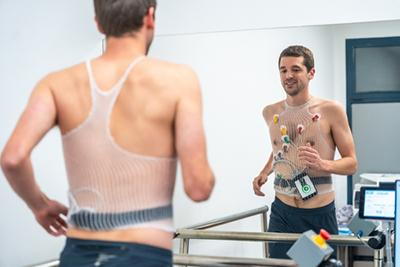
When it comes to maintaining your heart health, understanding how your heart performs under pressure can reveal important insights. A cardiac stress test is one of the most common and effective ways to evaluate how well your heart functions during physical activity. At Central Florida Heart Associates in Orange City, FL, our cardiology team uses this test to diagnose heart conditions, guide treatment, and help patients stay proactive about their cardiovascular health.
What Is a Cardiac Stress Test?
A cardiac stress test, sometimes called an exercise stress test, measures how your heart responds to increased activity or exertion. During the test, your heart is monitored while you walk on a treadmill or pedal a stationary bike. The intensity gradually increases, simulating the heart’s response to physical stress.
Electrodes placed on your chest record your heart rate, rhythm, and electrical activity, while blood pressure and breathing patterns are also monitored.
In some cases—especially if you’re unable to exercise—your provider may use a chemical or pharmacologic stress test. This version uses medication to simulate the effects of exercise on the heart.
Why a Cardiac Stress Test Is Important
Your heart works harder during physical activity, so certain issues that may not be apparent when you’re resting can become visible under stress. A cardiac stress test helps your cardiologist evaluate:
- Blood flow to the heart during exertion
- Irregular heart rhythms (arrhythmias)
- Effectiveness of medications or treatments for heart disease
- Risk of coronary artery disease (CAD) or other cardiovascular conditions
By identifying how well the heart pumps blood and uses oxygen, your physician can detect potential blockages or weaknesses in your cardiovascular system.
Common Reasons You Might Need a Stress Test
Your doctor at Central Florida Heart Associates may recommend a cardiac stress test if you experience:
- Chest pain, shortness of breath, or fatigue during activity
- Irregular heartbeat or dizziness
- A history of heart disease or risk factors such as high blood pressure, diabetes, or high cholesterol
- A need to assess how well your heart is responding to current treatments or lifestyle changes
This test is also a valuable screening tool for patients planning to start a new exercise program or recovering from a cardiac event.
What to Expect During the Test
A typical stress test takes about 30–60 minutes. You’ll begin at a slow pace, and the intensity will increase gradually. Your healthcare provider will monitor your heart’s performance throughout the test and stop it early if any concerning signs appear.
Afterward, results are analyzed to determine how well your heart handles activity and whether there are signs of reduced blood flow or electrical abnormalities.
Preparing for a Cardiac Stress Test
Before your test, you may be asked to:
- Avoid eating, drinking caffeine, or smoking for several hours
- Wear comfortable clothing and shoes suitable for walking
- Discuss any medications you’re currently taking
Your cardiologist will provide specific instructions based on your health history and the type of stress test being performed.
Take Control of Your Heart Health
A cardiac stress test is a safe, insightful way to assess your heart’s condition and detect problems before they become serious. Early detection allows for more effective treatment and long-term heart health management.
If you’ve been experiencing symptoms like chest discomfort, fatigue, or shortness of breath—or simply want to better understand your cardiovascular health—schedule a consultation with Central Florida Heart Associates in Orange City, FL.
Your heart deserves expert care—trust Central Florida Heart Associates to help keep it strong and healthy.