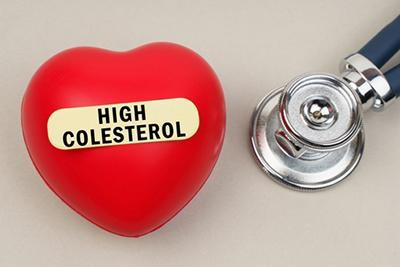
High cholesterol is often called a silent condition because it doesn’t usually cause symptoms, yet it can lead to serious and life-threatening health complications. When left untreated, high cholesterol contributes to the buildup of fatty deposits in your blood vessels, which restricts blood flow and increases the risk of severe cardiovascular events. Dr. Rajendra Hippalgaonkar and Dr. Mayank Yadav at Central Florida Heart Associates in Orange City, FL, can explain why high cholesterol should never go untreated and why you should regularly have your cholesterol levels checked.
Caring for Your Cholesterol
Cholesterol is a fatty substance that our bodies need in small amounts to function properly. It helps build cell membranes, produce certain hormones, and form vitamin D. However, high levels of low-density lipoprotein (LDL) cholesterol, commonly known as bad cholesterol, can lead to plaque buildup in the arteries. Over time, this plaque can harden and narrow the arteries, creating a condition known as atherosclerosis. It’s important to check cholesterol levels regularly and have high cholesterol managed by your cardiologists in Orange City, FL.
High cholesterol is a major risk factor for ischemic stroke, which occurs when a blood vessel supplying blood to the brain becomes blocked. When blood flow is restricted, parts of the brain are deprived of oxygen, resulting in cell death. In severe cases, this can lead to long-term disabilities or even death. High cholesterol can cause plaque buildup in the carotid arteries, which supply blood to the brain. Plaque buildup may rupture, causing a blood clot to form and block blood flow to the brain, resulting in a stroke.
Heart disease is the leading cause of death in many countries, and high cholesterol plays a significant role in its development. As plaque accumulates in the arteries, blood flow to the heart is restricted, increasing the risk of a heart attack. If a cholesterol-rich plaque ruptures, it can form a blood clot that blocks the artery, leading to a heart attack. This blockage cuts off the oxygen supply to the heart muscle, causing severe damage or death to the tissue.
Untreated high cholesterol can also lead to peripheral artery disease (PAD), which affects the blood vessels outside of the heart, particularly in the legs. PAD results from narrowed arteries and restricts blood flow to the limbs, causing pain, numbness, and even tissue damage.
Contact Our Cardiologists Today
Make sure you have your cholesterol levels under control. Contact Dr. Rajendra Hippalgaonkar and Dr. Mayank Yadav at Central Florida Heart Associates in Orange City, FL, to learn more about managing high cholesterol and its importance. Call for more information and to schedule your appointment today at (386) 774-2100.